A selfie is worth nothing. A fan you can reach again might be.
At the European Water Polo Championship in Belgrade, a simple fan-photo activation produced unusually high published rates for clicks, wallet saves and marketing consent. The numbers are a useful case study in how sports organisations try to turn matchday emotion into a direct relationship with a fan, and where the evidence still stops.
 Drive
What happened after the photo
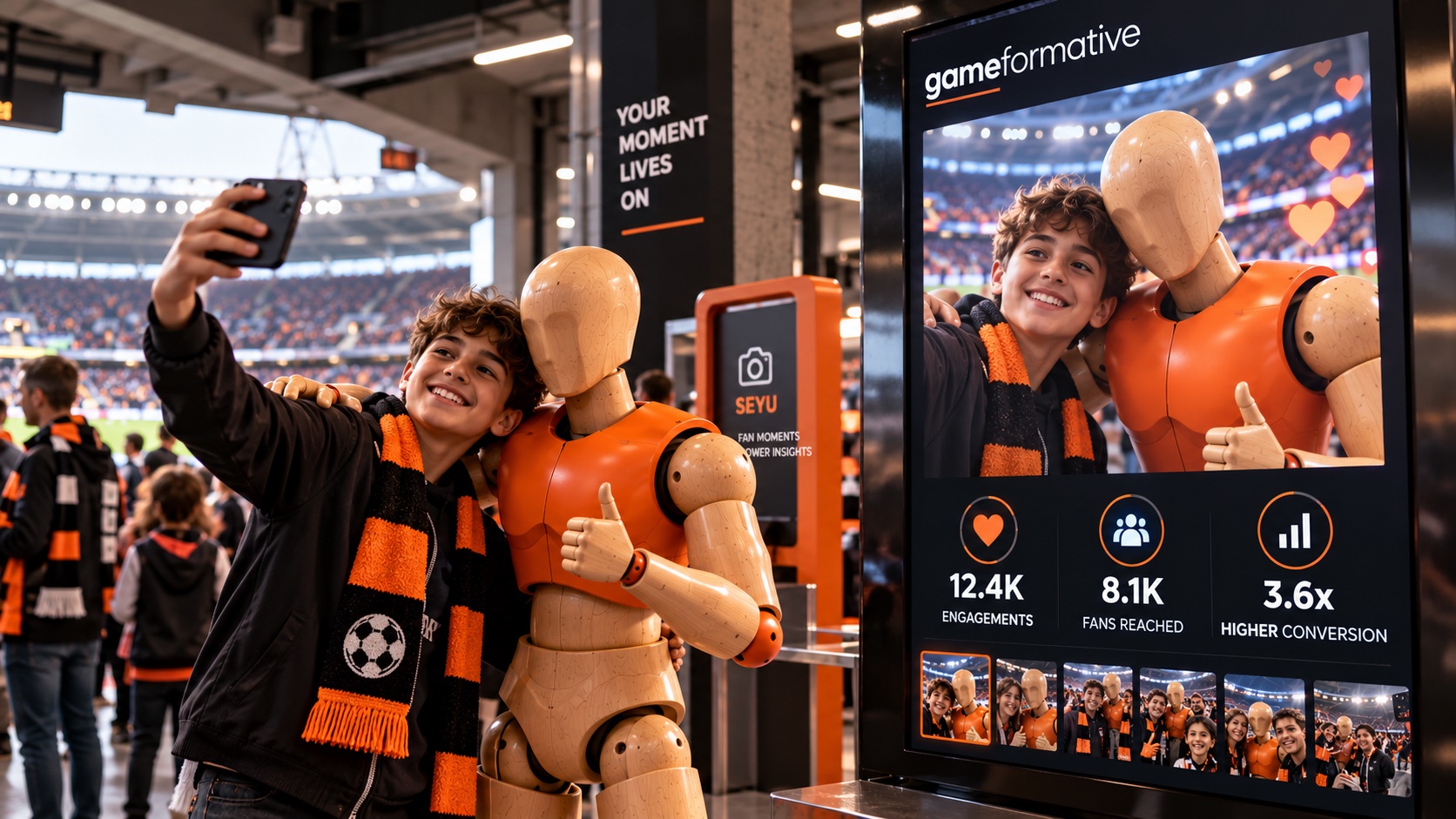
Fans walked into an on-site photo activation. Scan a QR (quick-response) code, take a moderated selfie, see yourself on a screen.
People always take pictures at sports events. That is not news.
What mattered here was the sequence after the photo. According to Seyu, the company that ran the activation at the 2026 Men's Water Polo Championship in Belgrade, engaged fans were steered into a pop-up, a wallet card and a marketing consent ask while the emotion of the event was still high. The selfie was the bait. The relationship after the selfie was the point.
What the published rates actually say
Seyu's published case page for Belgrade lists rates among engaged fans: 24% photo-channel participation, a 38% pop-up click-through rate, a 63% wallet-card save rate, and an 87.66% marketing opt-in.
Those figures need careful reading.
They come from the vendor. They are not an independent audit. They are not necessarily one clean conversion funnel where the same people move step by step from photo to click to wallet to consent. Different rates can sit on different denominators. Seyu also reports about 2.46 fans per image in the same write-up.
Even with those caveats, the shape is rare in public sports marketing: a live emotional moment, a clear next step, and named percentages instead of a smiling-crowd photo and the word "engagement".
A million people interacting with a campaign can sound impressive. What matters commercially is how many of them the club can identify, reach again and eventually turn into customers. Belgrade's published rates speak to the middle of that sentence: identify and reach again. They do not, by themselves, prove the last part.
 Drive
Why a club should care about a photo booth
How to start understanding the business problem is not with a software category. It is with a simple gap.
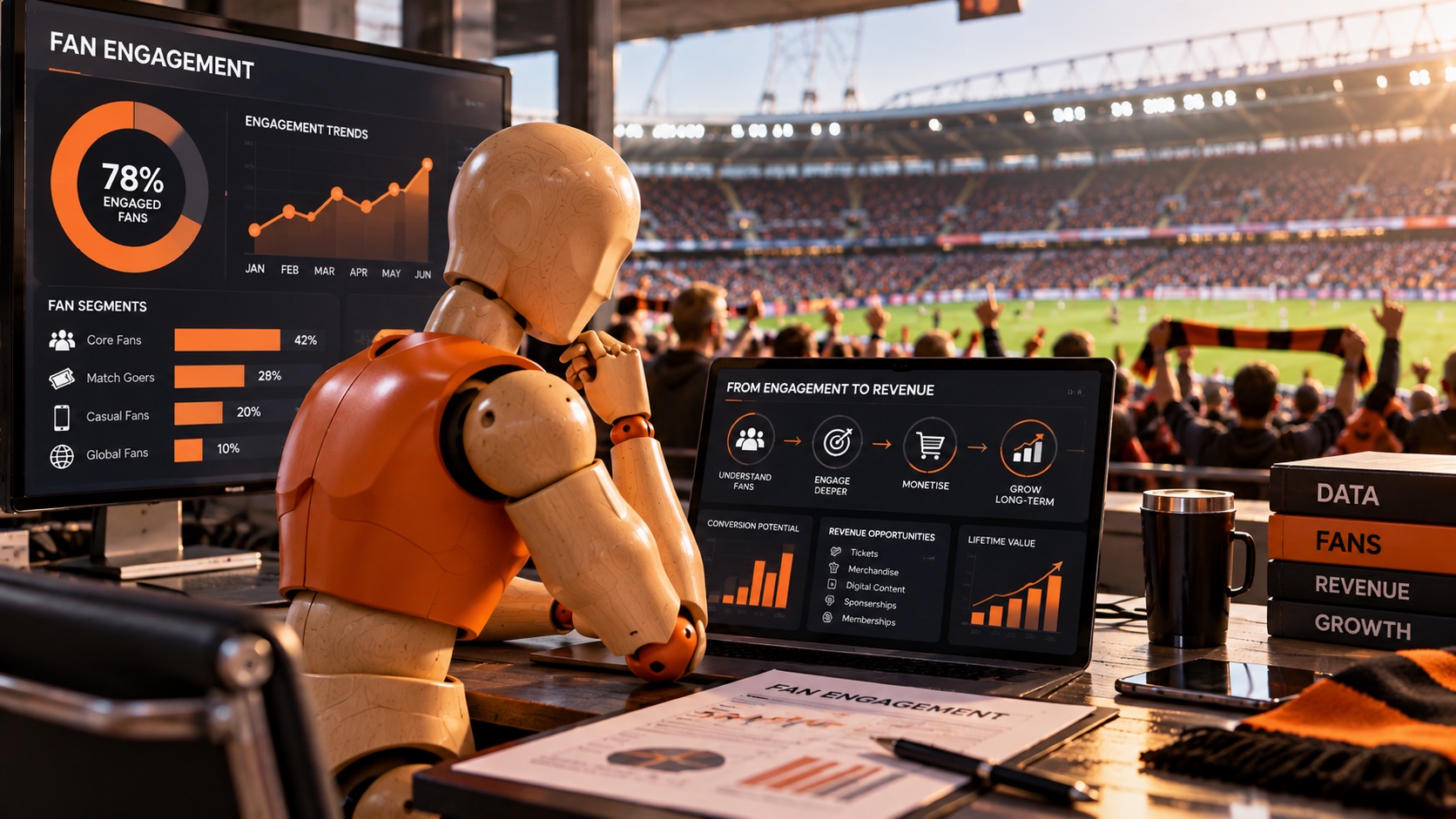
A club may have millions of followers. Supporters watch matches, post on Instagram, buy a shirt somewhere, walk through a fan zone, maybe visit the website. The club often knows surprisingly little about those people as individuals it can contact with consent.
Unless some of those interactions can be connected, with the person's agreement, the organisation does not necessarily have a direct relationship after the match ends. Broadcast money still pays a lot of the bills. Direct relationships with fans are how clubs try to earn the next ones: memberships, merch, tickets, offers, sponsor proof that someone real was reached.
That is what "first-party" means in ordinary language: the club (or event organiser) holds a consented relationship with the fan, rather than renting attention from a platform every time.
Belgrade is one public attempt to create that relationship at the emotional peak of an event. The photo is cheap. The consented contact is what clubs are actually buying when they buy this kind of activation.
The practical lesson is narrower than a market tour. When someone sells "fan engagement", ask what happens after the moment: can the organiser contact the person again, with consent, and do the published numbers say among whom?
 Drive
What Belgrade proves
Belgrade is useful because it publishes rates at all. Most event marketing still ends at atmosphere.
The timing lesson travels even if a club never buys Seyu: ask once, while the emotion is still high, and make the next step obvious.
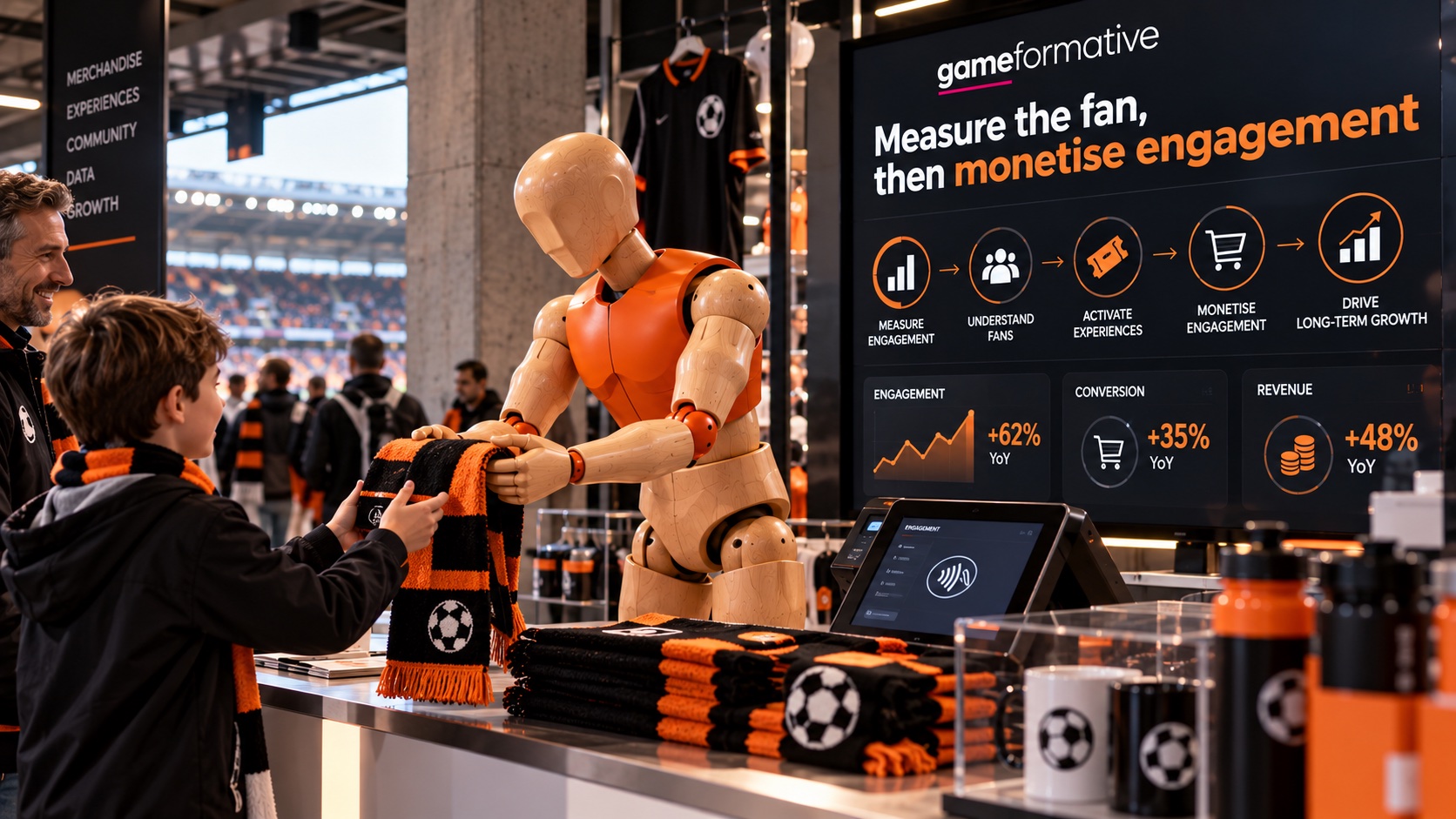
The consent lesson travels too. A wallet save and a marketing opt-in are different from a like. One can become a relationship. The other is usually rented attention.
And the honesty in the source note matters: these are vendor-published event metrics. Keeping that label on the page is part of what makes the case usable.
What Belgrade does not prove
Belgrade does not prove that selfie activations raise ticket revenue, merch margin or season-ticket renewal. Those outcomes are not in the published case.
It does not prove that 87.66% opt-in is normal. There is no public baseline on the same page for "ordinary" event opt-in at the same venue without the emotional trigger.
It does not prove the rates form one sequential funnel. Without clear shared denominators, treating them as a single pipeline overstates the story.
It also does not prove the same result at a Premier League matchday, a youth final or a federation festival. Water polo championship energy is not every Saturday at 3pm.
So the fair read is narrower: one vendor-documented attempt to turn matchday emotion into contactable fans, with unusually specific public percentages and clear limits.
Does the lesson travel?
Does the lesson travel beyond Belgrade?
UEFA (Union of European Football Associations) ran a Champions Festival on Heroes' Square in Budapest during the 2026 final week: free entry, public viewing, family activities, partners around the atmosphere. That is a different bet. A federation owns a public moment without a ticket. It does not publish Belgrade-style click and opt-in rates on the event guide. Atmosphere is the product; contactable fans are not proven on that page.
Some larger clubs and rights holders buy systems that stitch ticketing, venue, streaming and commerce so they are not guessing who the same person is across those channels. Comcast Sports360 is one US-scale pitch for that job. It answers a related question (can we recognise the fan across products?), not the Belgrade question (can a live photo moment create consent in the first place?).
Those two comparisons are enough. A longer parade of AI chatbots, loyalty apps and media libraries would only restate that "fan engagement" is a crowded category. It would not deepen what Belgrade shows.
If you're weighing a similar activation
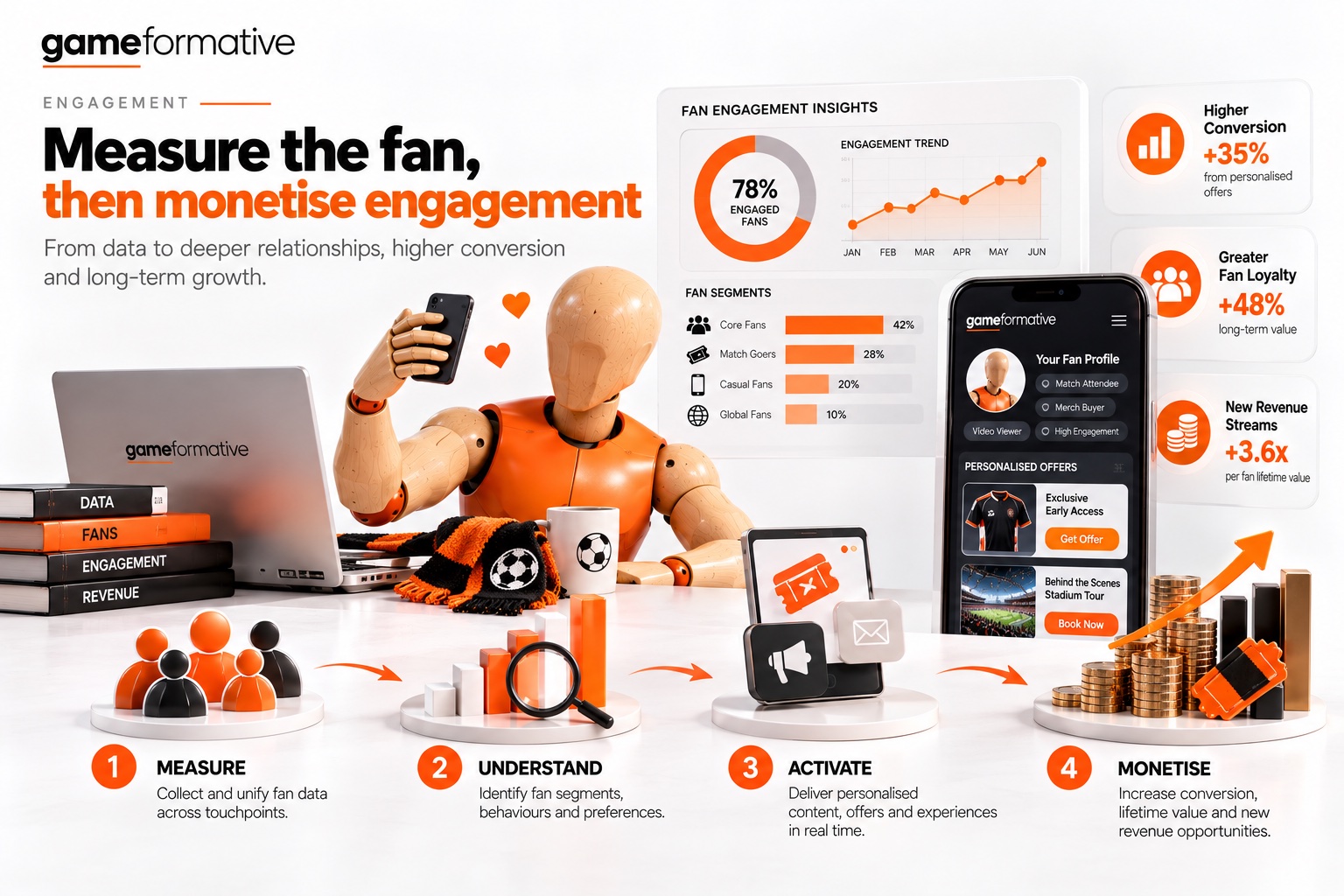
If you're weighing a similar activation, three questions are enough:
- After the moment, can we contact the person again with consent?
- Which rates are public, who published them, and among which fans were they measured?
- What revenue claim is still missing from the case study?
Belgrade is a strong public case for the first two. It is not yet proof of the third.
Research record
Receipts for this article: sources, image provenance, and material we opened but did not rely on.
Mentioned entities
Products, brands, services and organisations named in this piece. Listed for clarity: this is not a sales offer. Try claims with a pinch of salt and compare other solutions.
- Seyu · service
- UEFA · organisation
- Comcast Sports360 · product
Sources used
- How Smart On-Site Triggers Drove Engagement at the 2026 Men's Water Polo Championship in Belgrade · Seyu · Primary activation case: 38% pop-up CTR, 24% photo-channel participation, 2.46 fans/image, 63% wallet-card save, 87.66% marketing opt-in (9 Feb 2026)
- Fan engagement & digital activations for sport · Seyu · Vendor scale claims used as context only: 1M+ fans, 4000+ events, 42 countries, 28 sports; product shape for photo activations and consent data
- Event guide: Budapest Champions Festival · UEFA · Federation public playbook: free Champions Festival at Heroes' Square, 28–31 May, public viewing, neutral site, family activities
- Fan Engagement & Monetization Platform | Comcast Sports360 · Comcast Technology Solutions · US-scale platform pitch: connect ticketing, venue, streaming and commerce under one fan identity; monetise beyond rights via memberships, offers, sponsor proof
- Formula 1 deepens Salesforce partnership to enhance global fan engagement with AI agent · MARKETECH APAC · Secondary APAC trade report (12 Mar 2026): Agentforce companion on F1.com; ~43% fans under 35; ~80% queries in 4 hours; Data 360 / 100+ sources claims attributed to orgs
- Stadium Experience and Fan Satisfaction Survey · Deloitte US · Older US survey still used for why satisfaction maps to attendance/spend; core-four importance; not treated as 2026 fieldwork
- Monterosa | Fan Engagement, Gamification & Loyalty Platform · Monterosa · Europe interactive stack: polls/predictors/loyalty into apps, venues, broadcast; Liverpool base; used as regional player map, not as Belgrade-style metrics
Image credits
- Headline: fan selfie moment and engagement kiosk. GameFormative editorial desk. Licence: Original GameFormative editorial illustration (free to use with this article; © GameFormative 2026).
- Inline: fan engagement desk dashboards. GameFormative editorial desk. Licence: Original GameFormative editorial illustration (free to use with this article; © GameFormative 2026).
- Inline: merch activation with engagement screen. GameFormative editorial desk. Licence: Original GameFormative editorial illustration (free to use with this article; © GameFormative 2026).
- Infographic: measure → activate → monetise. GameFormative editorial desk. Licence: Original GameFormative editorial illustration (free to use with this article; © GameFormative 2026).
Sources investigated but not used
- Reviewed but not used · A guide to fan engagement · ScorePlay
- Reviewed but not used · YinzCam home · YinzCam
- Unavailable: not relied upon · Dizplai Platform · Dizplai